
外观
EtherCAT 双轴电机示例
本示例专门针对一拖二的电机驱动器设计,推荐测试的型号为汇川的 SV630ND。通过创建一个 EtherCAT Master 实例,完成对 EtherCAT 伺服控制器的初始化配置,使伺服电机控制器工作在CSP同步周期位置模式,实现对双轴电机的同时控制。
EtherCAT 双轴电机
硬件连接
需要准备硬件:
- 睿擎工业开发平台支持板卡 1 块
- EtherCAT 一拖二伺服驱动器一套(推荐
汇川 SV630ND) - 串口调试器、jlink 调试各一套
用网线将伺服控制器 IN 口与开发板 ETH 网口连接。伺服电机的电源线和编码器线分别接入电源口和对应的轴连接口,本示例专门针对一拖二电机驱动器设计,支持同时控制两个轴。
创建工程点击展开
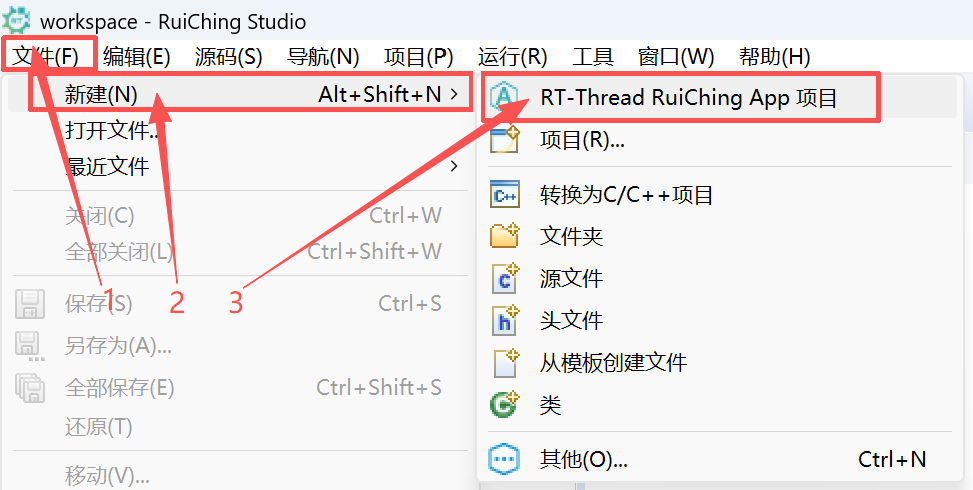

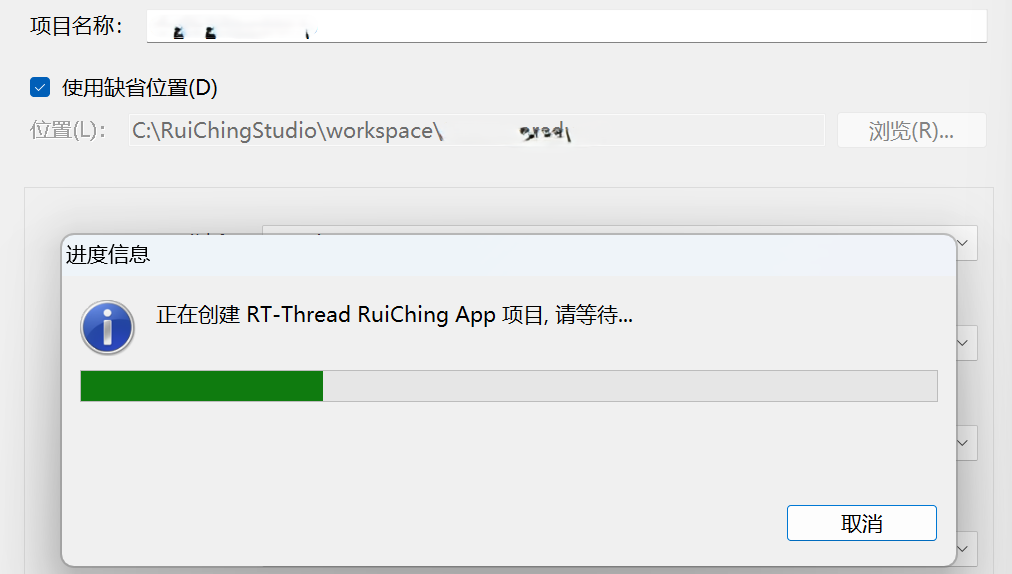
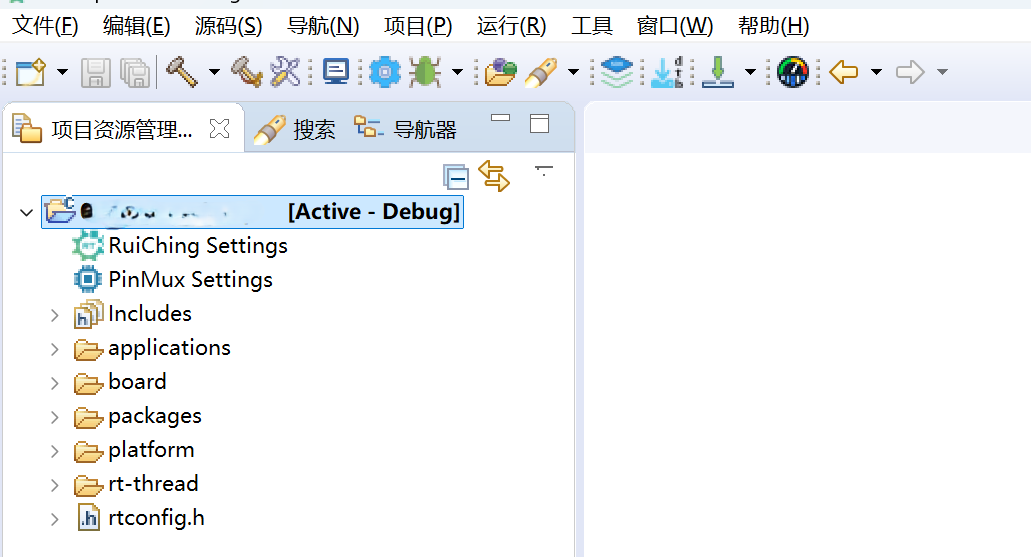
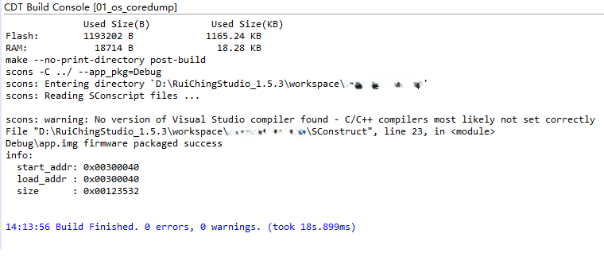
构建工程点击展开
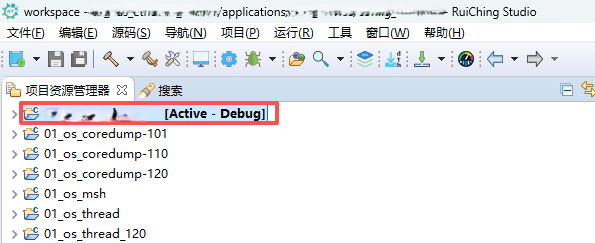

固件下载点击展开


控制命令
| 命令 | 功能描述 | 使用示例 |
|---|---|---|
ect_csp | 启动 EtherCAT 主站服务 | ect_csp |
motor_run | 启动电机运行 | motor_run |
motor_stop | 停止电机运行 | motor_stop |
motor_dir [dir] | 设置电机转动方向(0 或 1) | motor_dir 0 |
核心示例代码
初始化 EtherCAT 主站及配置
- EtherCAT 服务初始化:首先调用
ecat_service_init()函数初始化 EtherCAT 主站服务的核心组件。 - 网络接口配置:指定 EtherCAT 主站使用的网络接口,如 "e1"。
- 主站结构体初始化:通过
ecat_master_init(&csp_master)函数初始化主站结构体。 - 从站配置:为每个从站配置 PDO 映射和同步信息。
    ecat_service_init();

    if (ifname)
    {
        csp_master.nic0 = ifname;
    }

    err = ecat_master_init(&csp_master);
    if (err)
    {
        rt_kprintf("ethercat master init failed, err:%d\n", err);
        return err;
    }

    slave_counts = ecat_slavecount(&csp_master);
    rt_kprintf("Found slaves count:%d\n", slave_counts);

    static ec_slave_config_t slave_cia402_config;

    slave_cia402_config.dc_assign_activate = 0x300;
    slave_cia402_config.dc_sync[0].cycle_time = csp_master.main_cycletime_us * 1000;
    slave_cia402_config.dc_sync[0].shift_time = 500000;
    slave_cia402_config.dc_sync[1].cycle_time = 0;
    slave_cia402_config.dc_sync[1].shift_time = 0;
    slave_cia402_config.pdo_callback = pdo_callback;
    slave_cia402_config.sync = slave_syncs;
    slave_cia402_config.sync_count = sizeof(slave_syncs) / sizeof(ec_sync_info_t);

    for(int i = 0; i < slave_counts; i++)
    {
        ecat_slave_config(&csp_master, i, &slave_cia402_config);
    }

    ecat_master_start(&csp_master);
PDO 配置
- 双轴 PDO 配置:与单轴电机不同,本示例需要为两个轴分别配置 PDO 条目,轴 1 使用标准地址(如 6060h),轴 2 使用偏移地址(如 6860h)。
- 输出 PDO 配置:分别为两个轴配置输出 PDO 条目,包括模式、控制字、目标位置、目标速度和目标转矩。
- 输入 PDO 配置:分别为两个轴配置输入 PDO 条目,包括错误字、状态字、当前位置、当前速度和当前转矩。
- 同步信息配置:配置从站的同步信息,将两个轴的 PDO 分别映射到输出和输入同步管理器。
static ec_pdo_entry_info_t asix1_output_pdo_entries[] = {
    { 0x6060, 0x00, 8 },  // 6060h(mode)
    { 0x6040, 0x00, 16 }, // 6040h(control)
    { 0x607A, 0x00, 32 }, // 607Ah(dest position)
    { 0x60FF, 0x00, 32 }, // 60FFh(dest speed)
    { 0x6071, 0x00, 16 }, // 6071h(dest torque)
};

static ec_pdo_entry_info_t asix1_input_pdo_entries[] = {
    { 0x603F, 0x00, 16 }, // 603Fh(error)
    { 0x6041, 0x00, 16 }, // 6041h(status)
    { 0x6064, 0x00, 32 }, // 6064h(current postion)
    { 0x606C, 0x00, 32 }, // 606Ch(current speed)
    { 0x6077, 0x00, 16 }, // 6077h(current torque)
};

static ec_pdo_entry_info_t asix2_output_pdo_entries[] = {
    { 0x6860, 0x00, 8 },  // 6060h(mode)
    { 0x6840, 0x00, 16 }, // 6040h(control)
    { 0x687A, 0x00, 32 }, // 607Ah(dest position)
    { 0x68FF, 0x00, 32 }, // 60FFh(dest speed)
    { 0x6871, 0x00, 16 }, // 6071h(dest torque)
};

static ec_pdo_entry_info_t asix2_input_pdo_entries[] = {
    { 0x683F, 0x00, 16 }, // 603Fh(error)
    { 0x6841, 0x00, 16 }, // 6041h(status)
    { 0x6864, 0x00, 32 }, // 6064h(current postion)
    { 0x686C, 0x00, 32 }, // 606Ch(current speed)
    { 0x6877, 0x00, 16 }, // 6077h(current torque)
};

ec_pdo_info_t slave_pdos[] = {
    { 0x1600, 5, asix1_output_pdo_entries },
    { 0x1610, 5, asix2_output_pdo_entries },
    { 0x1a00, 5, asix1_input_pdo_entries },
    { 0x1a10, 5, asix2_input_pdo_entries },
};

ec_sync_info_t slave_syncs[] = {
    { 2, EC_DIR_OUTPUT, 2, &slave_pdos[0], EC_WD_DISABLE },
    { 3, EC_DIR_INPUT, 2, &slave_pdos[2], EC_WD_DISABLE },
};
PDO 回调函数
- 双轴同步控制:与单轴电机不同,本示例通过循环遍历的方式,同时处理两个轴的 PDO 数据,实现双轴的同步控制。
- 状态机切换:通过
servo_switch_op函数实现两个伺服驱动器的状态机切换。 - 电机控制:根据
servo_run标志同时控制两个电机的启动和停止。 - 位置控制:在 CSP 模式下,根据
servo_dir标志同时设置两个电机的转动方向和目标位置。
void pdo_callback(uint16_t slave_index, uint8_t *output, uint8_t *input)
{
    struct rpdo_csp *rmap = (struct rpdo_csp *)output;
    struct tpdo_csp *tmap = (struct tpdo_csp *)input;

    if (servo_run == 0)
    {
        do {
            servo_switch_op(rmap, tmap);
            rmap->control_word = 0x2;

            rmap++; tmap++;
        } while ((uint8_t *)rmap < input);
        return;
    }

    do {
        servo_switch_op(rmap, tmap);
        if (rmap->control_word == 7) {
            rmap->mode_byte = 0x8;
            rmap->dest_pos = tmap->cur_pos;
        }
        if (rmap->control_word == 0xf) {
            rmap->dest_pos = tmap->cur_pos;
            if (servo_dir == 0) {
                rmap->dest_pos -= 1000;
            } else {
                rmap->dest_pos += 1000;
            }
        }
        rmap++; tmap++;
    } while ((uint8_t *)rmap < input);
}
状态机切换函数
- 状态检测:通过读取状态字
status_word检测伺服驱动器的当前状态。 - 状态切换:根据不同的状态,设置相应的控制字
control_word,实现状态机的切换。
static void servo_switch_op(struct rpdo_csp *rmap, struct tpdo_csp *tmap)
{
    int sta;

    sta = tmap->status_word & 0x3ff;

    if (tmap->status_word & 0x8)
    {
        rmap->control_word = 0x80;
        return;
    }

    switch (sta)
    {
    case 0x250:
    case 0x270: rmap->control_word = 0x6; break;
    case 0x231: rmap->control_word = 0x7; break;
    case 0x233: rmap->control_word = 0xf; break;
    default: break;
    }
}
示例运行
初始化 EtherCAT 主站
msh > ect_csp启动电机运行
msh > motor_run改变电机方向
msh > motor_dir 0/1停止电机
msh > motor_stop使用 IDE 调试并运行程序,初始化完 EtherCAT 主站后,在终端输入motor_run 运行电机,可以观察到双轴电机同时旋转。与单轴电机示例不同,本示例通过一次命令即可同时控制两个轴的运行状态,实现双轴的同步运动。EtherCAT 示例运行后,两个电机会按照设定的方向同时旋转。驱动器风扇会开启,面板显示正常运行状态。
在终端输入motor_stop 可以停止电机。
在终端输入motor_dir 0/1 可以改变电机方向。